Focused arrival windows
Useful updates and clear arrival timing.
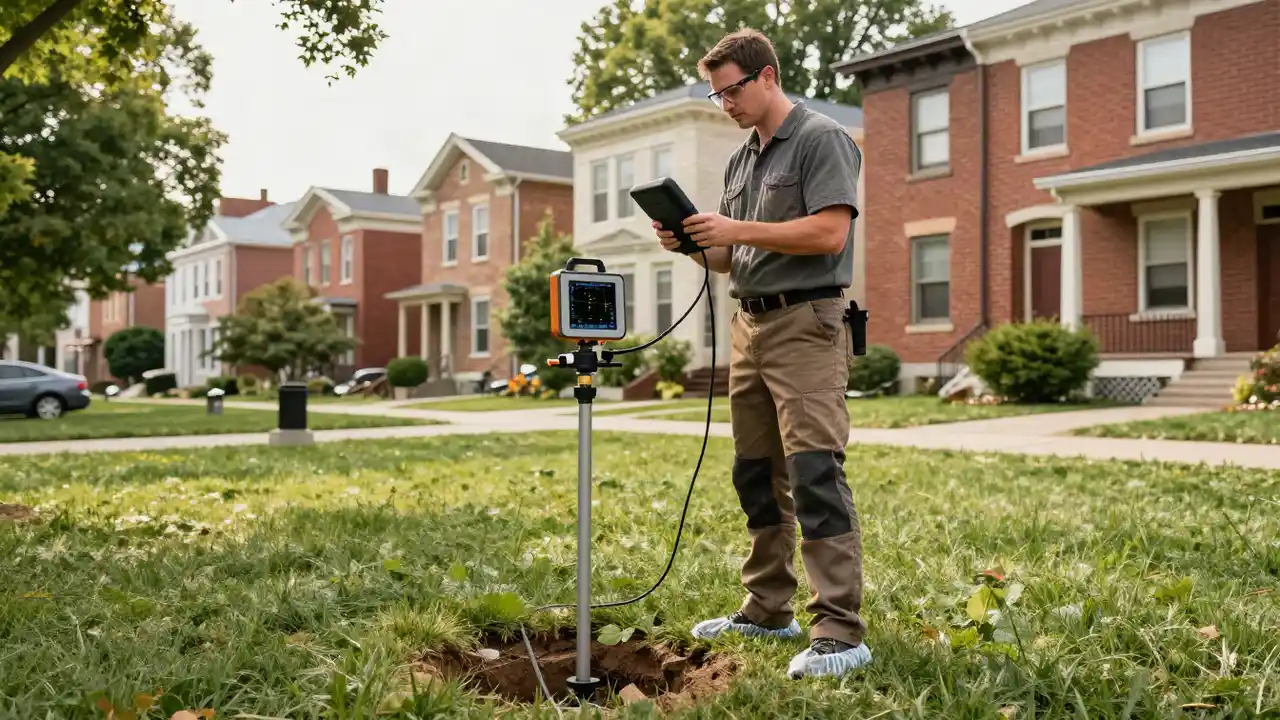
Pool Leak Detection in Pittsburgh starts with one question: where is the water going? We pressure-test the lines, dye-test the shell, and check the skimmer and light niche before we dig anything up. If your pool is dropping more than an inch a day, or your pump is sucking air, call us. We cover Downtown Pittsburgh, the North Shore, and every pool inside Allegheny County.
Useful updates and clear arrival timing.
Review the approach and price before deciding.
Equipped vehicles and respectful cleanup.
Neighbors serving neighbors with follow-through.
Every pool leak detection visit covers the full diagnostic sweep, not just one test. If we find the leak, you get a marked location and a repair price before we leave. Repairs are quoted separately, and the detection fee is credited toward the work if you hire us.
We measure real evaporation against your pool's actual loss, then dye-test the skimmer throat, light niche, main drain, and every return fitting. Leak detection dye pulls toward a crack in seconds, which rules in or out the easy fixes first.
We plug and pressurize the return and suction lines individually with a pressure testing kit. A line that bleeds pressure has a break, and isolating each run tells us whether it is one fitting or the whole run.
Acoustic listening devices and ultrasonic leak detectors locate the escape point underground. A thermal imaging camera and moisture meter confirm saturation in the deck, shell, or soil so we are not chasing a dry pipe.
We paint-mark the leak and photograph the pressure gauge, thermal image, and dye trail. You keep the record for your own files or for an insurance claim on a freeze-burst line.
You get a straight price to fix what we found, with the scope spelled out. No vague hourly estimates, no pressure to buy a full replacement when a fitting repair will do.
Share what is happening and receive a clear next step from the local team.
Pool Leak Detection in Pittsburgh is a diagnostic service that pinpoints where a pool is losing water, then confirms the leak before any repair starts. We separate evaporation from a real leak using a bucket test, then pressure-test the return and suction lines with a pressure testing kit. Acoustic listening devices and ultrasonic leak detectors pick up the hiss of water escaping underground. A moisture meter and thermal imaging camera check the deck and shell for saturation. You get a marked location, a written finding, and a repair plan the same day.
Most Pittsburgh pools sit through freeze-thaw cycles that crack copper pipe, shift PVC pipe joints, and open seams at the skimmer throat. A pool that loses water all winter often shows up in spring as a high water bill and a pump that will not hold prime. If you are searching pool leak detection near me Pittsburgh and your pool is dropping two inches a night, that is not evaporation. It is a leak, and it gets worse every week you wait.
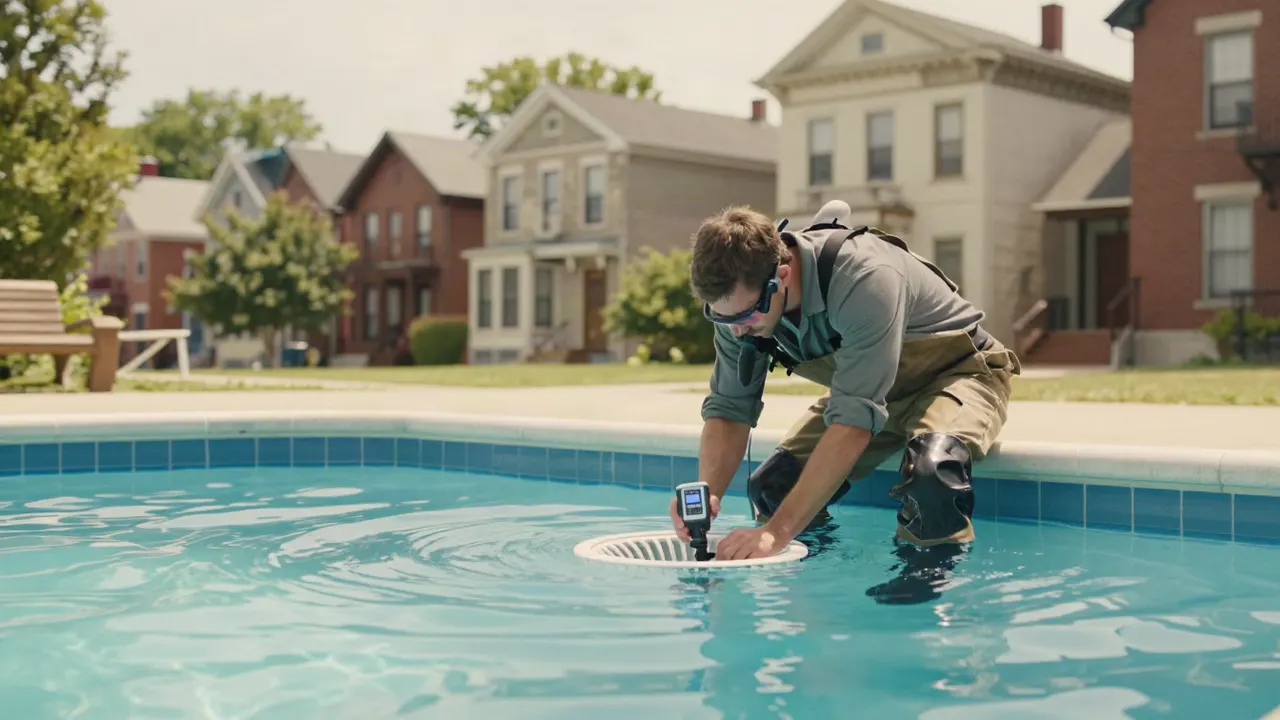
You call and tell us how much water you are losing per day, whether the pump holds prime, and where you see wet spots. That five-minute conversation tells us whether you have a shell leak, a plumbing leak, or plain evaporation. We book a same-day or next-day window, including 24/7 pool leak detection Pittsburgh emergency calls.
On site we run a bucket test to measure true evaporation against your pool's actual loss, then dye-test the skimmer throat, light niche, main drain, and return fittings. Leak detection dye pulls toward a crack in seconds. This stage takes about 30 minutes and rules out the cheap fixes first.
We plug the lines and pressurize the return and suction plumbing with a pressure testing kit. A line that will not hold pressure has a break. We isolate each run separately, so a single cracked fitting does not get blamed on the whole system. This is where most underground pipe leak calls get solved.
Acoustic listening devices and ultrasonic leak detectors pick up the sound of pressurized water escaping a pipe. A thermal imaging camera and moisture meter confirm saturation in the deck or shell. We mark the spot with paint and photograph it before anything is opened.
You get the marked location, the test results, and a straight price to fix it, usually within the same visit. If the leak is in a pipe under the deck, we quote the dig and the repair. If it is a fitting at the skimmer, we can often repair it on the spot.
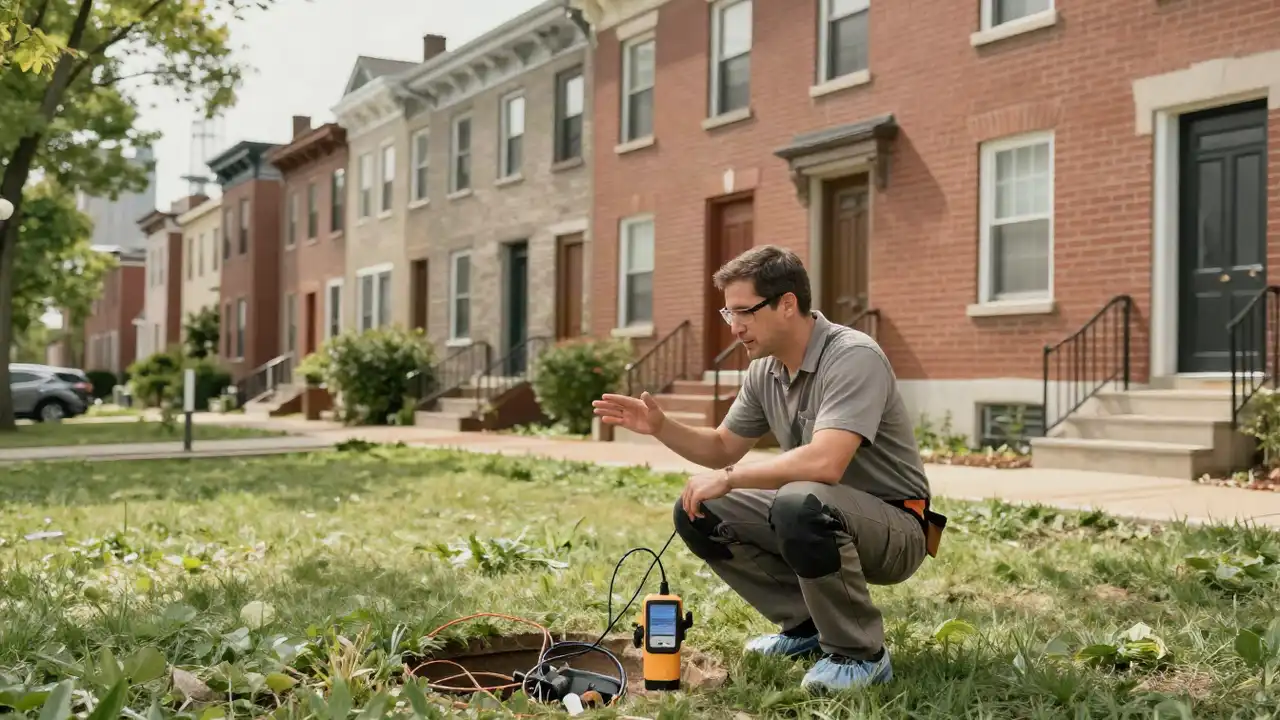
We place the ground microphone over the suspected run and listen for the hiss of pressurized water escaping a pipe. It narrows a leak to a square foot before we cut.
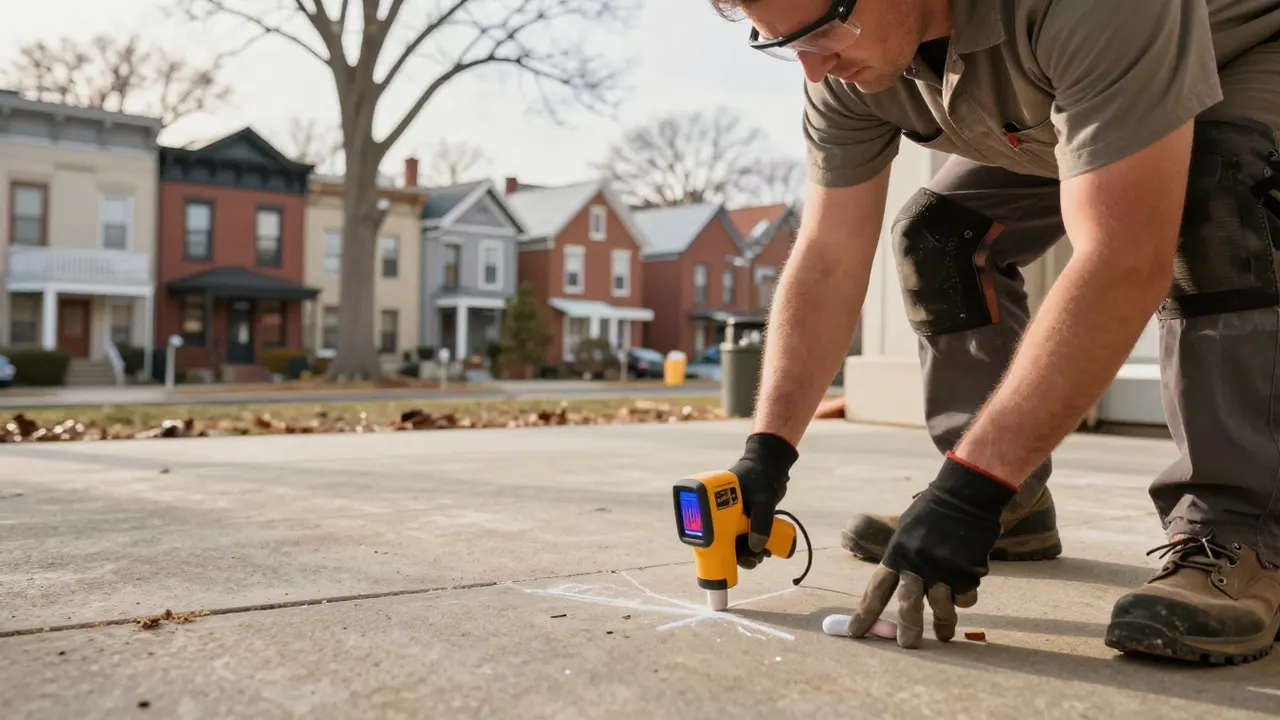
A Fluke thermal camera shows temperature differences from saturated soil and evaporating water. It finds wet deck areas and hidden moisture behind the shell without opening anything.
We plug and pressurize each return and suction line separately. A gauge that bleeds tells us the line is broken; a gauge that holds clears it.
Sewerin ultrasonic gear picks up high-frequency sound from a small leak that the ear misses. It is the tool that finds pinholes in copper pipe under concrete.
When a line is already open, a RIDGID or General Pipe Cleaners camera lets us see the break, root intrusion, or collapsed section from the inside before we repair.
A moisture meter confirms saturation readings in the deck and shell. Tracer gas detectors confirm a leak on lines that will not hold air pressure, especially long underground runs.
The bucket test separates evaporation from a real leak over 24 hours. Dye testing then shows exactly where water is escaping at the skimmer, light, main drain, or fittings. It is the cheapest, fastest first pass and it rules out false alarms.
We plug and pressurize each plumbing run on its own, so a single cracked fitting does not get blamed on the whole system. A line that holds pressure at 20 psi for 15 minutes is sound; one that bleeds is where we dig.
We cross-check the acoustic hit against the thermal image and moisture reading. When all three point to the same spot, we mark it with paint and photograph it. That is the location we open, and it is right the vast majority of the time.
Repairs follow PA Plumbing License and Allegheny County Plumbing Certification standards. Copper pipe gets soldered, PEX tubing gets the right fittings and clamps, and PVC pipe gets solvent-welded. Then we pressure-test the repaired line again before backfilling.
That pattern points to a freeze-burst line. We pressure-test the suction and return runs, use acoustic gear to find the break, and repair the copper or PVC section. Most freeze breaks sit within a few feet of the equipment pad. The line holds pressure, the pump primes on the first try, and you are swimming the same week instead of replacing plumbing blind.
That is a pressure-side leak, usually a return line or a fitting. We pressurize the returns, watch the gauge, and scan with an ultrasonic leak detector to pin the escape point before any digging. One small excavation instead of a full deck tear-out, and the water level stops dropping within a day of the repair.
We dye-test the skimmer throat and light niche first, since those fail most often on older Pittsburgh pools. If the dye pulls, we seal it with epoxy sealant rated for submerged use and re-test the same visit. A same-day fix for a few hundred dollars instead of a line replacement you did not need.
We run a full pre-purchase leak test: bucket test, dye test, and pressure test on every line. You get a written report with photos showing what is sound and what needs work before closing. You negotiate with real numbers instead of a guess, and you know the pool's condition before you own it.
Pittsburgh pools live through a hard freeze and a fast thaw, and that cycle is what breaks plumbing. Copper pipe splits when water freezes inside it, PVC pipe joints crack at the collar, and skimmer throats pull away from the shell. We see most freeze damage in March and April, right when owners open the pool and find the water level down a foot. Summer brings a different pattern: heavy use, constant top-offs, and slow leaks at the light niche and return fittings that only show when the pump runs. Our swimming pool leak repair in Pittsburgh, Pennsylvania work is built around Allegheny County's clay soil, which holds water against the shell and softens the deck base fast. If you are asking why is my pool losing water in Pittsburgh PA, the answer is usually one of four things: a freeze-burst line, a failed skimmer gasket, a light niche leak, or a cracked return fitting. We test all four before we quote anything, and we carry the dye, pressure plugs, and acoustic gear to do it in one trip.
Riverfront pools here see heavy summer use and constant water-level swings. We run pool leak detection North Shore calls same-day when the level is dropping fast.
Rooftop and courtyard pools downtown have long plumbing runs and shared walls. Pressure testing each run separately keeps us from opening the wrong section.
Many pools here are 30-plus years old with original copper returns. Freeze splits in that copper are the most common call we get in spring.
Older concrete decks over clay soil. A slow underground leak shows up as a settled slab long before it shows as a wet spot, so thermal scanning matters here.
Sloped lots mean gravity moves leaked water downhill and away from the pool. We trace the wet line back uphill to find the actual break.
Water left in the lines expands and splits copper pipe and PVC joints. Most freeze breaks sit within a few feet of the equipment pad, which keeps the excavation small.
Clay holds water against the shell and deck base instead of draining it. That means a slow leak does structural damage faster here than it would in sandy ground.
Owners top off daily and stop noticing the loss. By August the water bill is the first real clue, and the leak has been running for weeks.
Pools built decades ago have thin-walled copper and brittle fittings. We pressure-test at lower psi on those lines to avoid blowing a weak joint during testing.
A Squirrel Hill homeowner opened the pool in April to find the water level down 14 inches and the pump refusing to prime. The deck near the equipment pad was soft, and the water bill had jumped $180 over two months.
We pressure-tested the returns, found the burst section 4 feet from the pad, and opened a 2-by-3-foot cut in the concrete. The copper was replaced, soldered, and re-tested at 20 psi. Total repair came in at $1,150.
Maintenance: Blow the return lines with air and add pool antifreeze before closing each fall. That single step prevents most freeze splits and costs about $30 in materials.
A North Shore property manager was topping off a 20,000-gallon pool twice a week. The dye test pulled hard at the skimmer throat, and the pump was losing prime every few hours during the day.
We sealed the skimmer throat with submerged-rated epoxy sealant and replaced the gasket. The water level held steady for a full week afterward, and the top-off schedule dropped to once every 10 days.
Maintenance: Check the skimmer throat and light niche each spring with a dye pill. A $12 bottle of leak detection dye catches a failing gasket before it costs you a pump.
A Shadyside homeowner had a wet patch on the deck that never dried and a settled slab edge. Two other companies quoted a full deck replacement without testing anything first.
Thermal imaging and acoustic gear located the break under a 2-foot section of deck. We opened it, repaired the PVC pipe and fitting, and pressure-tested at 20 psi. The repair ran $980 and the deck was patched the same week.
Maintenance: Keep the pool level at the midpoint of the skimmer and watch for new soft spots after heavy rain. Early thermal scans catch a slow leak before the deck base moves.
Water loss shows up in different ways depending on where the leak is. Here are the calls we run most often, and what happens if you leave them alone.
You are paying for hundreds of gallons a week, and the water level falls below the skimmer, so the pump pulls air and runs hot. Left alone, the motor burns out and the deck soil saturates. We run a bucket test to confirm it is a leak, then dye-test the shell and pressure-test the lines. Most daily-loss calls trace back to a skimmer gasket, a light niche, or a cracked return fitting, and we fix those on the spot.
Air in the suction line means the pump never fills, so circulation stops and the water turns. Running dry for even a few hours can destroy the impeller and seal. Air on the suction side points to an underground pipe leak or a failed union. We pressure-test the suction run, use acoustic gear to find the break, and repair the line so the pump holds prime again.
A wet patch that never dries means an underground pipe leak is feeding the soil. In Allegheny County clay that softens the base under your deck and can shift the pool shell over a season. We scan the area with a thermal imaging camera and acoustic listener, mark the pipe, and open a small section instead of the whole patio. Then we repair the copper or PVC and pressure-test before backfilling.
A hidden water leak can run for months before you see it. By then you have paid for the water twice and the damage has spread under the slab or deck. We isolate the pool plumbing from the house service and test each run. If the leak is on the house side, our water leak detection crew traces it with the same gear and finds it before a wall or floor gets opened.
$250 - $2,400 depending on leak location and repair scope
Typical 2026 pricing for pool leak detection in Pittsburgh runs $250 to $550 for the full diagnostic, and that fee is credited toward the repair if you hire us. Simple skimmer or fitting leaks often get found and fixed in one visit for under $400. Underground line leaks that need excavation usually land between $900 and $2,400, depending on how much deck comes up and what material the line is. We quote the repair before we cut, so you decide with real numbers.
Finding the leak first is what keeps the bill down. One accurate test beats three exploratory digs, and the detection fee comes off the repair if you hire us. You pay for the answer, not for guesswork.
A skimmer gasket or light niche leak is a same-day fix for a few hundred dollars. A break under 4 inches of concrete deck needs excavation, backfill, and patching, which adds $500 to $1,200 to the job.
Copper pipe splits cleanly and solders fast. Older PVC pipe gets brittle and may need a longer replacement section. PEX tubing is quick to repair but needs the right fittings and clamps to hold pressure.
One cracked return fitting is a small job. Multiple failed runs or a suction line plus a return line means more testing, more excavation, and more material. We isolate each run so you only pay for what is actually broken.
A paver deck lifts and resets easily. Poured concrete or stamped concrete has to be cut and patched, which adds labor. Tight equipment pads and enclosed courtyards slow the work and raise the total.
A standard scheduled visit is the base price. A 24/7 pool leak detection Pittsburgh emergency call, like a pool draining overnight before a holiday weekend, carries an after-hours rate on top of the diagnostic.
My pool was losing two inches a night and I was sure the whole line was gone. Their tech pressure-tested the returns, found one cracked fitting at the skimmer, and had it sealed the same afternoon. Cost me $380 total. I had another company quote me $3,200 to replace the line sight unseen.
We had a wet spot on the deck all spring and could not figure out why. They used a thermal camera and an acoustic listener, marked the pipe, and opened a two-foot section of concrete. Found the break in an hour. The repair was done in a day and the deck was patched clean.
I manage three properties with pools and I call Leak Fix Pros for all of them. They show up when they say, they test before they dig, and they send photos of the finding. Last call was a light niche leak that two other companies missed. Fixed in one visit.
Most pool leak detection in Pittsburgh runs $250 to $550 for a full pressure test, dye test, and acoustic scan, and that fee is credited toward the repair if you hire us. Simple skimmer or fitting leaks can be found and fixed in one visit for under $400. Underground line leaks that need excavation push the total higher, usually $900 to $2,400 depending on how much deck has to come up.
In Pittsburgh, the usual suspects are freeze-damaged copper pipe, a failed skimmer throat gasket, a torn liner at the light niche, or a cracked return fitting. Evaporation tops out around a quarter inch a day in summer, so anything past that is a leak. If you are losing an inch or more daily, or your pump keeps losing prime, book a leak test before the water drops below the skimmer.
Start with a bucket test: fill a bucket with pool water, set it on the top step, and compare the drop inside the bucket to the drop in the pool over 24 hours. If the pool drops more, you have a leak. Then check the skimmer, light, and fittings with dye. If the dye does not pull and the water still disappears, the leak is underground and needs pressure testing and acoustic gear.
Sometimes. Most Pennsylvania policies cover sudden damage, like a pipe that froze and burst in a January cold snap, but not gradual leaks or worn-out fittings. We document the failure with photos, pressure readings, and a written finding, so you have what the adjuster asks for. We do not handle claims, but we hand you the evidence to file one.
Not seeing your question? Our local team can help you understand urgency, scheduling and what to expect.
Ask the local team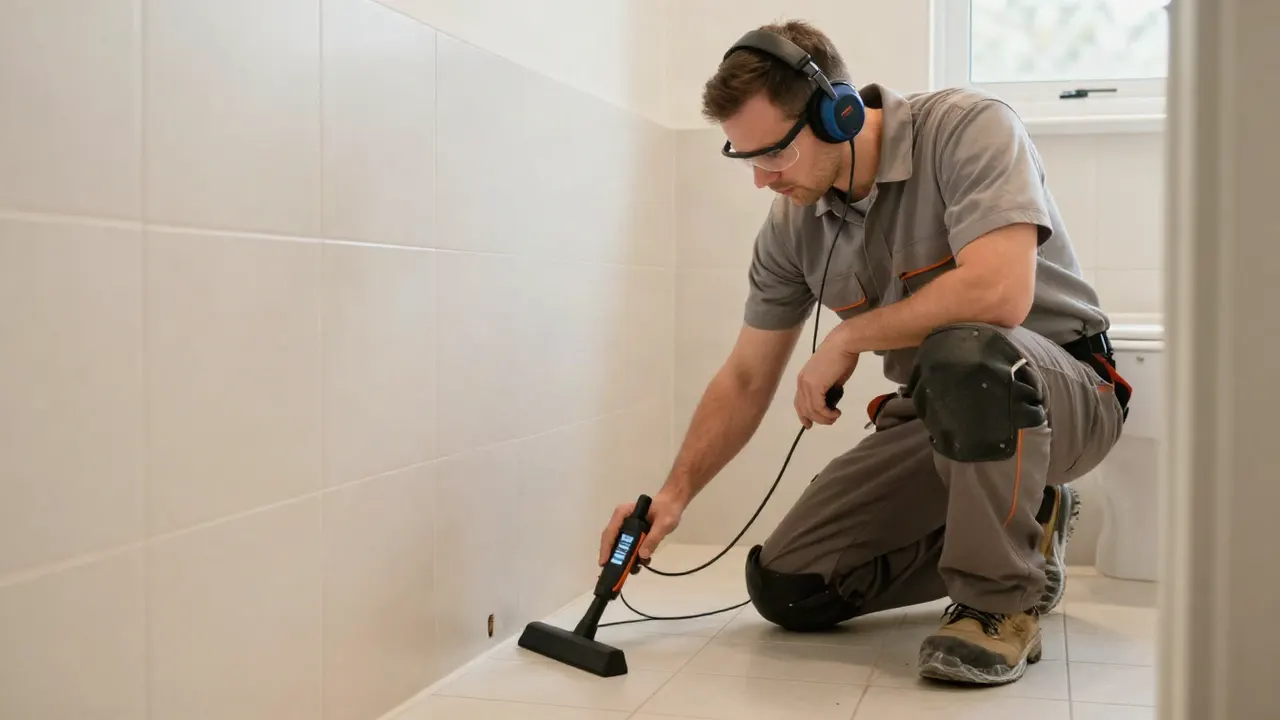
The same acoustic and pressure gear we use on pools works on the water line feeding your house. If your water bill jumped and the meter spins with everything off, we trace the hidden water leak to the exact fitting before we open a wall or floor.
View servicePools and slabs share the same failure mode: a pipe under concrete losing water quietly. We use thermal imaging and acoustic listening to find a slab leak without breaking up the whole floor, then repair the copper or PEX line and pressure-test it.
View servicePool return lines, yard hydrants, and main water lines all run underground. We pressure-test each run, use tracer gas detectors where needed, and mark the break so the excavation stays small. One trench instead of three.
View serviceAcoustic listening devices and ultrasonic leak detectors pick up the sound of water escaping a pressurized pipe. It is the fastest way to narrow a pool or water line leak to a square foot, and it works through concrete, decking, and soil.
View serviceReach us any hour at (412) 939-1638. We answer live, ask a few questions about what you are seeing, and book a window that works. Most Pittsburgh addresses get a same-day slot, and active leaks get priority dispatch.