Focused arrival windows
Useful updates and clear arrival timing.
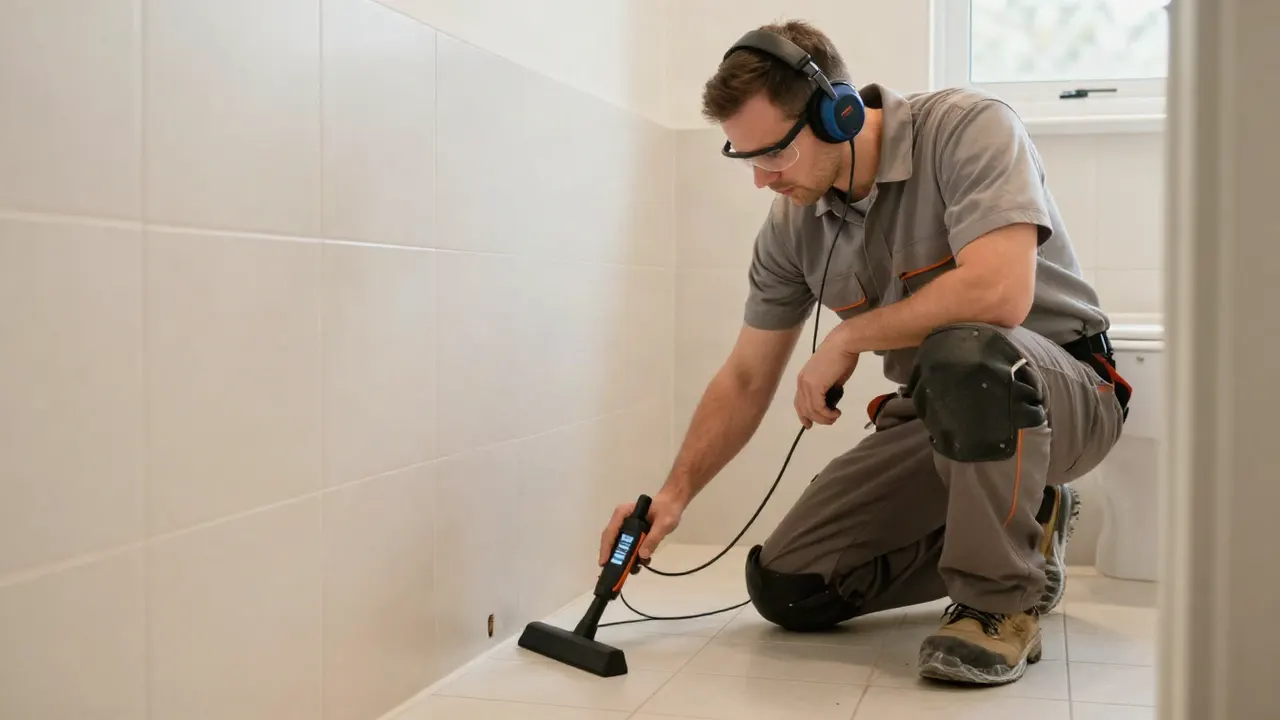
Acoustic Leak Detection in Pittsburgh is how we find water leaks you cannot see, hear, or smell. Using ultrasonic listening gear, we trace the sound of escaping water through concrete, soil, and pipe walls, then mark the exact spot for repair. Homeowners across Allegheny County call us when a water bill spikes or a floor stays warm for no reason. We show up same-day, find the leak, and give you a straight price before we open anything up.
Useful updates and clear arrival timing.
Review the approach and price before deciding.
Equipped vehicles and respectful cleanup.
Neighbors serving neighbors with follow-through.
Every acoustic leak detection visit includes a full sweep of the suspect line, confirmation with a second method, and a marked location you can act on. We bring the equipment, do the work, and leave you with a written repair price. Here is what you get when you book us.
We walk the entire suspect line with acoustic listening devices, not just the spot you pointed at. That catches multiple leaks and confirms the main one. On a typical slab leak, the sweep takes 45 to 90 minutes depending on pipe depth and floor covering.
We never mark a leak on sound alone. Every location is confirmed with a thermal imaging camera, moisture meter, or pressure testing kit. That cross-check is why our marks hold up when the repair contractor opens the floor or trench.
You get a physical mark on the floor or ground and a written location with distance from a fixed point. If you use your own plumber, they can cut one clean access hole instead of hunting. We also note pipe material and depth for the repair.
If you want us to handle the fix, we quote it before we leave. Repairs use copper pipe, PEX tubing, or PVC pipe to match your system, with pipe fittings, pipe clamps, and solder as needed. We pressure-test the line and warranty the repair.
Share what is happening and receive a clear next step from the local team.
Acoustic Leak Detection in Pittsburgh is a non-invasive method that uses sound to locate water escaping from pressurized pipes. Water forced through a crack, pinhole, or failed joint creates a high-frequency hiss that travels through the pipe wall and surrounding material. We place sensitive microphones on floors, walls, and fixtures, then walk the line until the signal peaks. That peak is your leak. No guesswork, no exploratory demolition, no cutting into a slab to find out where the problem is.
Pittsburgh homes deal with a specific set of leak problems. Older neighborhoods like the South Side and Lawrenceville are full of copper pipe that has been in the ground for decades, and our freeze-thaw cycles crack joints that ran fine all summer. Add clay soil that shifts after heavy rain, and you get underground pipe leaks that never surface until the water bill doubles. If you have been searching for acoustic leak detection near me Pittsburgh, this is what we do every day.
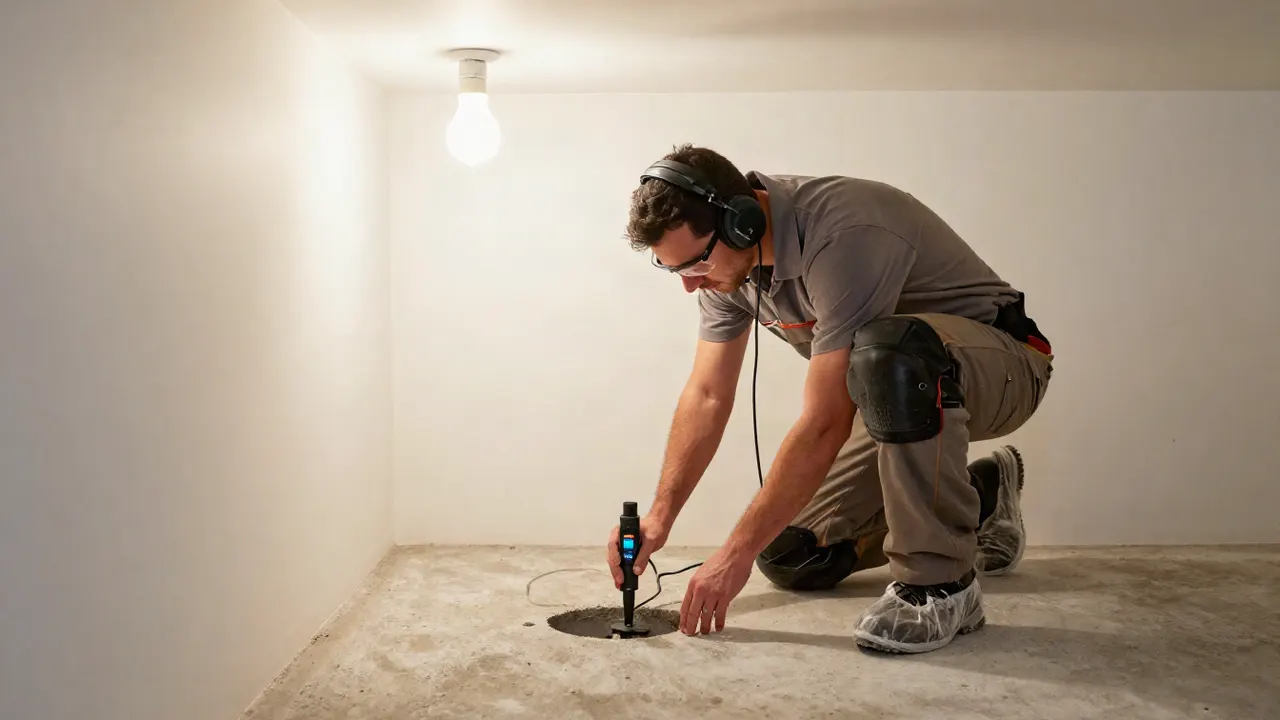
You call us at (412) 939-1638 and describe what you are seeing: high water bill, warm floor, running meter with everything off, or a wet spot that keeps coming back. We ask a few questions to narrow the likely pipe run, then schedule a same-day acoustic leak detection Pittsburgh PA visit. No waiting three days for a callback.
We shut off fixtures and pressurize the suspect line using a pressure testing kit. This confirms the leak is on the water line and not a drain or fixture. We isolate sections so the acoustic signal is clean. On a typical home, this takes 15 to 20 minutes and tells us exactly which run to walk.
We place acoustic listening devices on the floor or soil above the pipe and walk the line in short increments. The signal gets louder as we approach the leak. We repeat the sweep from a second direction to confirm the peak. This cross-check is what separates a real location from a guess.
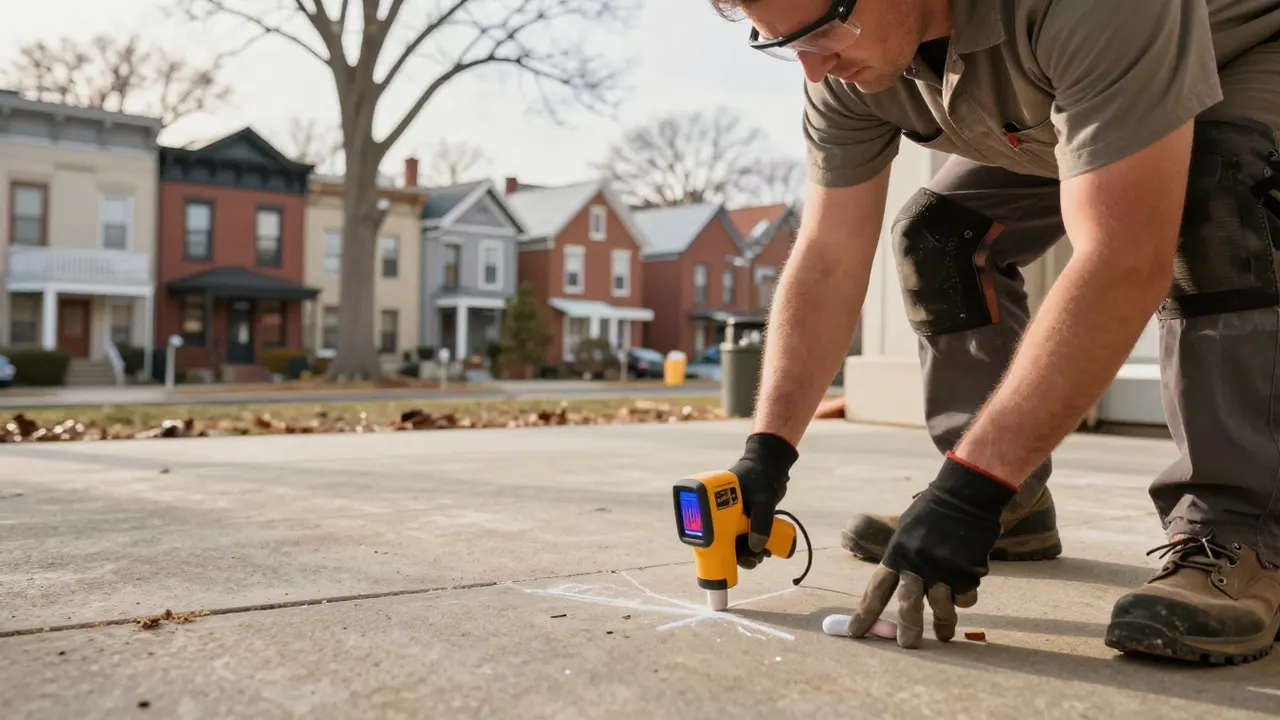
We confirm the acoustic peak with a thermal imaging camera or moisture meter, then mark the spot with paint or tape. You see the mark before we leave. If the leak is under a slab, we tell you the exact distance from a wall so your repair contractor can cut one clean access hole.
You get a written repair price for the fix, not just the detection. We explain what failed, why it failed, and what it takes to make it right. If you want us to handle the repair, we schedule it. If you want a second opinion, you have the location and the evidence to get one.
Ground microphones and pipe-contact sensors that pick up the high-frequency sound of water escaping a pressurized line. We use them on floors, walls, and soil to walk the line and find the peak signal.
Handheld units that convert ultrasonic sound to an audible range. They are useful for confirming leaks in tight spaces, behind walls, and around fittings where a ground mic cannot reach.
Fluke and Milwaukee thermal cameras that show temperature differences caused by hot or cold water leaking under a slab. We use them to confirm the acoustic mark before anyone cuts.
We isolate and pressurize sections of the water line to confirm a leak exists and narrow it to a specific run. This step keeps the acoustic sweep clean and fast.
RIDGID and General Pipe Cleaners equipment that maps underground runs and lets us see inside sewer lines. We use them when the leak is below grade or the line material is unclear.
Sewerin and LeakTronics units that introduce a safe tracer gas into the line and detect where it escapes. This is our backup method for very deep or noisy underground leaks.
Pin and pinless meters that measure moisture in concrete, drywall, and soil. We use them to confirm the leak location and to check that the area dries after repair.
Our standard three-step method. We pressurize the suspect line, sweep it with acoustic listening devices, then confirm the peak with a second tool. This sequence is why our marks hold up when the repair contractor opens the floor.
We walk the line from two directions and compare the signal peaks. A true leak shows the same location from both sides. This simple check eliminates false positives from traffic noise, appliances, and water flow in nearby lines.
Copper pipe, PEX tubing, PVC pipe, and galvanized steel transmit leak sound at different frequencies. We adjust the detector range for the pipe material and diameter so we are listening to the leak, not the background.
We follow EPA WaterSense guidance for leak detection and documentation, including meter verification and usage comparison. That gives you a defensible record if you need to file a water bill adjustment with the utility.
We schedule a same-day visit, isolate the water line, and sweep it acoustically. If the leak is under the slab, we confirm with thermal imaging and mark the spot. We provide a written report you can send to the property owner. The owner gets a repair price instead of a mystery, and the tenant stops paying for water that is going into the ground.
We come in before opening hours, pressurize the lines, and use acoustic listening devices on the slab. We isolate the leak to a specific run and confirm with a moisture meter. The repair is scheduled for the next slow shift. One small floor cut instead of a full basement tear-out, and the restaurant stays open through the repair.
We use acoustic detection on the pool plumbing and confirm with leak detection dye at the fittings. If the leak is underground, we mark the run with a pipe locator before any digging. The leak is found and repaired without draining the pool, and you stop adding water every other day.
We run a full acoustic sweep and pressure test before closing. You get a written location and a repair estimate from a licensed contractor, which you can use in negotiation. You know the real cost of the repair before you sign, not after.
Pittsburgh's housing stock splits into two leak profiles. Pre-war homes in neighborhoods like Lawrenceville, the South Side, and Squirrel Hill often have original copper pipe under basement slabs, and decades of freeze-thaw cycles have opened pinholes at joints and elbows. Newer builds in the North Shore and Downtown use PEX tubing and PVC pipe, which fail differently, usually at fittings and manifolds. Our clay soil holds water and shifts after heavy rain, so underground pipe leaks can run for months without surfacing. We adjust our acoustic sweep for pipe depth, which ranges from 18 inches under a basement slab to 6 feet deep on a water service line. Allegheny County Plumbing Certification and PA Plumbing License requirements mean the repair has to be code-correct, so we document pipe material and depth for whoever does the fix. If you need acoustic leak detection services in Pittsburgh, Pennsylvania, we bring the full kit and the local knowledge on the first visit.
Commercial buildings and older high-rises with complex water risers. Leaks often show up as unexplained water usage or a wet ceiling on a lower floor.
Mixed residential and commercial with newer PEX and PVC systems. Pool leaks and irrigation line breaks are common in this area.
Pre-war homes with original copper pipe under basement slabs. Slab leaks and warm-floor complaints are the most common calls we get here.
Older rowhouses with shared walls and tight pipe runs. Acoustic detection is the only practical way to find leaks without opening a neighbor's wall.
Larger lots with longer underground water service lines. High water bills from underground pipe leaks are a frequent call in this area.
Repeated freezing and thawing cracks copper joints and splits fittings. Most slab and underground leaks we find in Pittsburgh happen after a hard freeze, even if the pipe did not burst outright.
Clay holds water against pipe walls and moves as it dries. That movement shears fittings and opens joints on underground lines, which is why we see a spike in water line leaks after a wet spring.
Pipe walls thin from the inside out. Acoustic detection catches the leak while the line is still repairable, before it fails completely and floods a basement.
Groundwater can mask a leak or make a dry spot look wet. We use pressure testing and tracer gas detectors in these areas to separate groundwater from a real pipe leak.
A homeowner in Squirrel Hill had a water bill that jumped from $95 to $310 in one cycle. The floor in the hallway was warm to the touch, and the meter spun with every fixture off. Two contractors wanted to break up the entire hallway floor to find the leak.
We swept the slab with acoustic listening devices and marked the leak within 8 inches of the actual break. The repair contractor cut one 2-foot access hole, replaced a 6-inch section of copper pipe, and the line held 80 psi on the test. Water bill dropped back to $90 the next cycle.
Maintenance: Keep an eye on the meter once a month with all fixtures off. If it moves, call us before the leak spreads. A $250 detection visit beats a $4,000 floor restoration every time.
A Mount Lebanon homeowner noticed a soggy patch in the yard that never dried out, even in August. The water bill was up $120 a month. The water service line ran 5 feet deep under a landscaped bed, and nobody wanted to dig blindly.
We mapped the line with a pipe locator, then used acoustic detection and a tracer gas detector to confirm the break. The leak was found 14 feet from the meter. We excavated one small hole, repaired the copper line with a new fitting and solder, and pressure-tested it at 100 psi.
Maintenance: Mark the repair spot with a stake or paver so future landscaping avoids it. Check the meter quarterly. If the soggy patch returns, call us before the soil settles and damages the line further.
A North Shore property manager was adding water to a commercial pool every other day. The pool dropped about an inch overnight, and the equipment pad stayed wet. A leak detection company quoted a full drain and inspection, which would have closed the pool for a week.
We used acoustic detection on the pool plumbing and confirmed a cracked return line fitting with leak detection dye. The repair was done from the equipment pad without draining the pool. Water loss stopped immediately, and the pool held level through the next month.
Maintenance: Check the pool level weekly and mark the normal evaporation line on the skimmer. If it drops more than a quarter inch per day, call for acoustic detection before the shell or deck is affected.
Most leaks we find fall into a handful of categories. If any of these sound familiar, acoustic detection will tell you exactly where the water is going and what it will take to stop it.
You are paying for water that is soaking into the ground or running under your slab. Left alone, it erodes soil and can crack the foundation within a season. We pressurize the line, sweep it acoustically, and mark the break. Most high-bill leaks are found in two to four hours. You get a repair price the same day and stop the loss before the next billing cycle.
A warm spot usually means a hot water line is leaking under the slab. The heat spreads through concrete, and the leak gets worse as the line corrodes from the outside in. We use acoustic listening devices and a thermal imaging camera together to pinpoint the hot water leak. You get a marked spot and a repair plan that opens one small section of floor instead of the whole room.
A pool that drops more than a quarter inch per day has a leak. Ignoring it wastes thousands of gallons and can undermine the pool shell or deck over time. We listen along the pool plumbing and shell with acoustic gear, then confirm with leak detection dye at fittings and skimmers. Most pool leaks are found in one visit and repaired without draining the pool.
An underground sewer line leak can saturate soil, attract pests, and eventually cause a backup into the basement. It also risks a code violation if the line is compromised. We map the run with pipe locators, then use acoustic detection and video pipe inspection cameras to find the break. You get the exact location and depth before anyone digs, which keeps the repair small.
$250 - $600 for most residential detection visits, repair quoted separately
Typical 2026 pricing for acoustic leak detection in Pittsburgh runs $250 to $600 for the detection visit, depending on how many lines we sweep and how deep the pipe runs. Slab leaks and underground water lines sit at the higher end because they take longer to confirm. Pool leak detection is usually $300 to $550. The repair is quoted separately, and you get that price before we leave. We do not charge by the hour, so a difficult leak does not turn into a surprise bill.
One accurate mark saves you thousands in unnecessary demolition and days of disruption. If your water bill is up $100 a month, the detection visit pays for itself before the next cycle. We would rather find it right the first time than sell you a bigger repair than you need.
A single water line is faster than sweeping hot and cold lines, a pool loop, and an irrigation system. Each additional line adds 30 to 60 minutes and a modest fee. We tell you upfront how many runs we plan to check.
A leak 18 inches under a basement slab is easier to hear than one 6 feet deep under a yard. Copper pipe and PVC pipe transmit sound differently, and deeper lines need more sweep time and confirmation steps.
Tile, hardwood, and carpet all affect how well acoustic listening devices pick up the signal. We adjust placement and may use a thermal imaging camera to confirm. Thick carpet or floating floors add 15 to 30 minutes.
A quiet residential basement is ideal. A commercial building with pumps, HVAC, and traffic noise takes longer because we have to isolate the leak signal from the background. We schedule noisy sites for off-hours when possible.
Same-day and 24/7 acoustic leak detection Pittsburgh calls carry a higher rate than a scheduled weekday visit. If water is actively flooding a space, we prioritize the call and tell you the rate before we dispatch.
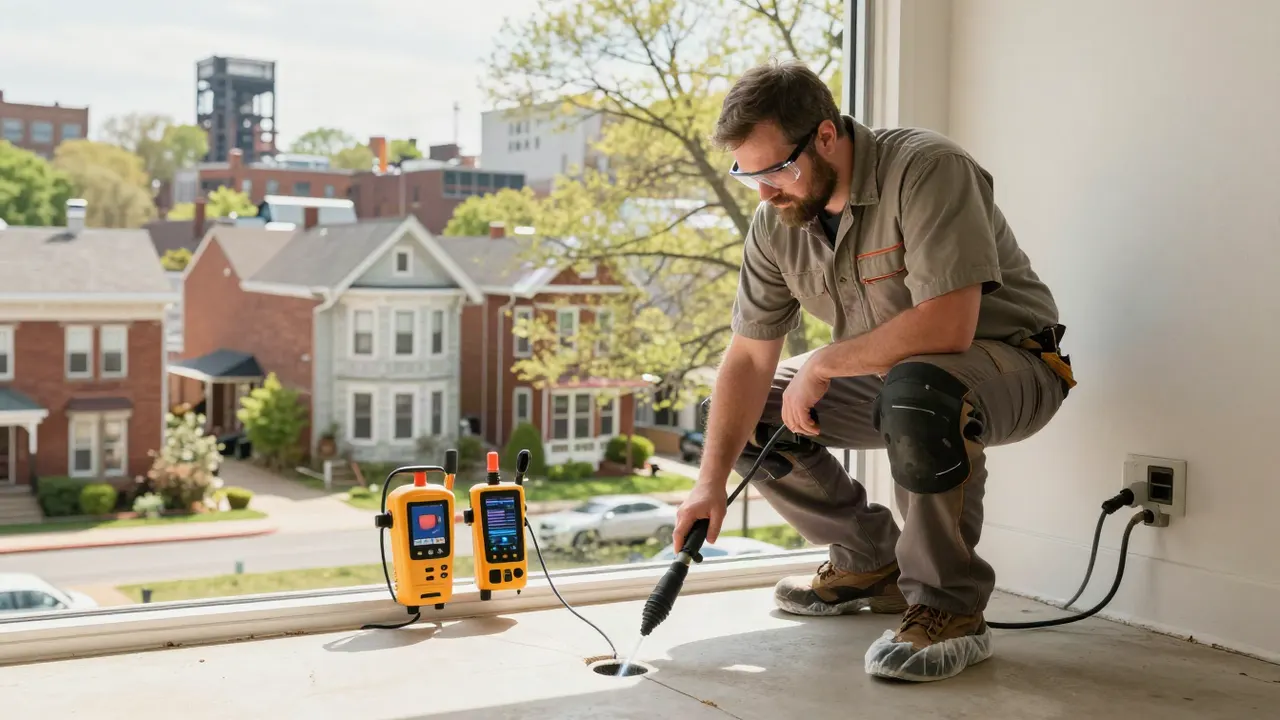
Our technicians are state-licensed plumbing contractors with Allegheny County Plumbing Certification and IAPMO Certification. We carry Backflow Prevention Certification and follow OSHA Safety Compliance on every job. We have located slab leaks, underground pipe leaks, and pool leaks across Pittsburgh's older housing stock and newer builds alike. When a leak does not show itself, we have the tools and the local knowledge to find it without tearing your home apart.
Our water bill jumped from $90 to $280 in one cycle and we could not find anything wet. Leak Fix Pros came out the same day, swept the slab with their acoustic gear, and marked a spot within eight inches of the actual break. The plumber who opened the floor said it was dead on. Saved us from cutting up the whole living room.
We manage a building on the North Shore with a persistent leak in the garage slab. Two other companies wanted to tear up the entire floor to look. Leak Fix Pros used acoustic detection and thermal imaging, found it in under three hours, and gave us a repair quote the same afternoon. No drama, no guesswork.
Called at 11 p.m. with water coming up through the basement floor. They answered, walked me through shutting off the main, and had a tech out by 7 a.m. The acoustic sweep found a pinhole in a copper line under the slab. Repair was done the next day and the line held pressure. Straight shooters.
Most residential acoustic leak detection jobs in Pittsburgh run $250 to $600 for the detection visit, depending on how many lines we need to sweep and whether it is a slab, underground, or pool leak. The repair is quoted separately. If you have a high water bill and no visible leak, the detection fee usually pays for itself in one billing cycle by stopping the loss.
We mark leaks within 6 to 12 inches on most slab and underground lines. Accuracy depends on pipe depth, soil type, and background noise. We confirm every acoustic peak with a second method, usually thermal imaging cameras or a moisture meter, before we mark the spot. If the signal is ambiguous, we tell you and bring in video pipe inspection cameras.
It is a non-invasive leak location method that listens for the sound of pressurized water escaping a pipe. We use ultrasonic leak detectors and acoustic listening devices on floors, walls, and soil to find the leak without cutting into concrete. It works on copper pipe, PEX tubing, PVC pipe, and pool lines, and it is the fastest way to find a hidden water leak in Pittsburgh.
Yes. Hidden leaks under slabs, behind walls, and below grade are exactly what acoustic detection is built for. If your meter spins with every fixture off, or a floor stays warm, we can usually locate the leak in two to four hours. For very deep or noisy lines, we add tracer gas detectors or video pipe inspection cameras to confirm the location.
Not seeing your question? Our local team can help you understand urgency, scheduling and what to expect.
Ask the local team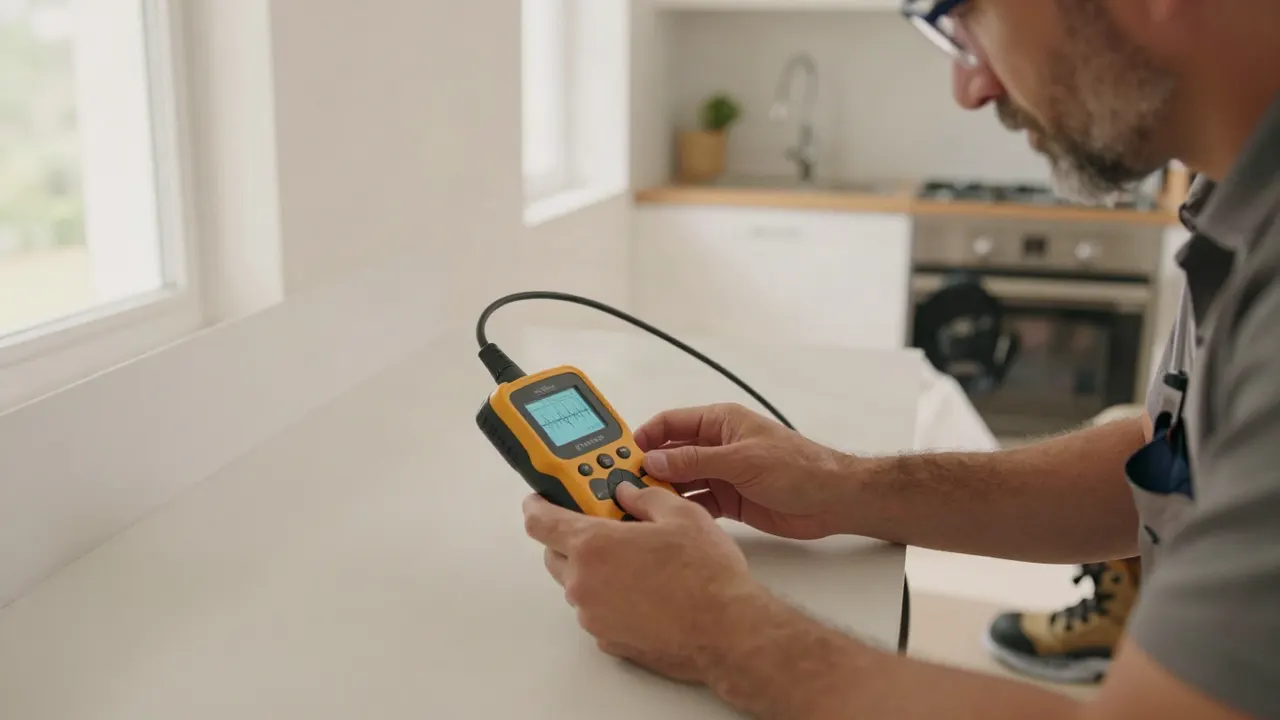
Acoustic detection is one tool in our water leak detection kit. When a leak is not audible, we combine pressure testing kits, moisture meters, and thermal imaging cameras to trace it. Pittsburgh homeowners call us for high water bills, warm floors, and meter movement with everything shut off.
View servicePool leak detection in Pittsburgh uses the same acoustic principles on a different system. We listen along the pool shell, plumbing, and equipment pad to find leaks that drop water level overnight. We also use leak detection dye to confirm shell and fitting leaks without draining the pool.
View service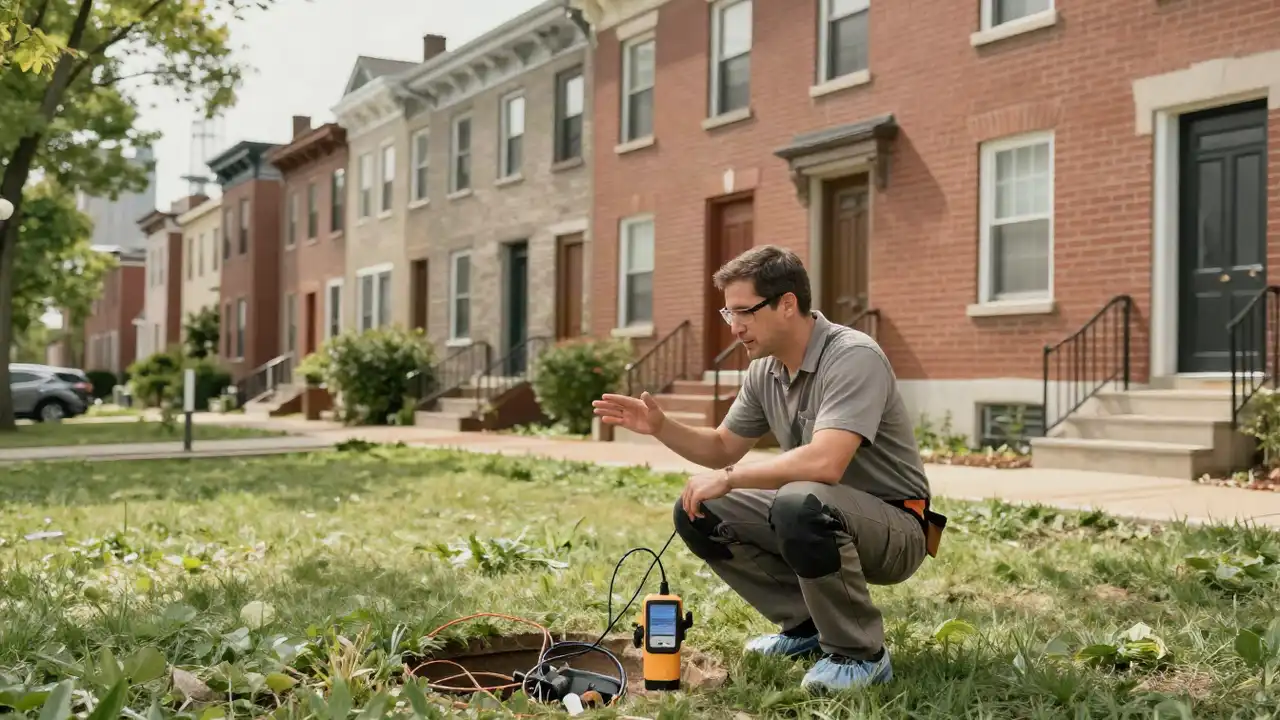
Slab leak detection is the most common reason Pittsburgh homeowners call us. We pressurize the line, sweep the slab with acoustic listening devices, and confirm with thermal imaging cameras. You get a marked spot and a repair plan that avoids breaking up the whole floor.
View serviceUnderground plumbing leak detection covers water line leaks and sewer line leaks below grade. We use pipe locators to map the run, then acoustic listening devices to find the break. In Pittsburgh's clay soil, we often confirm with tracer gas detectors before any digging starts.
View service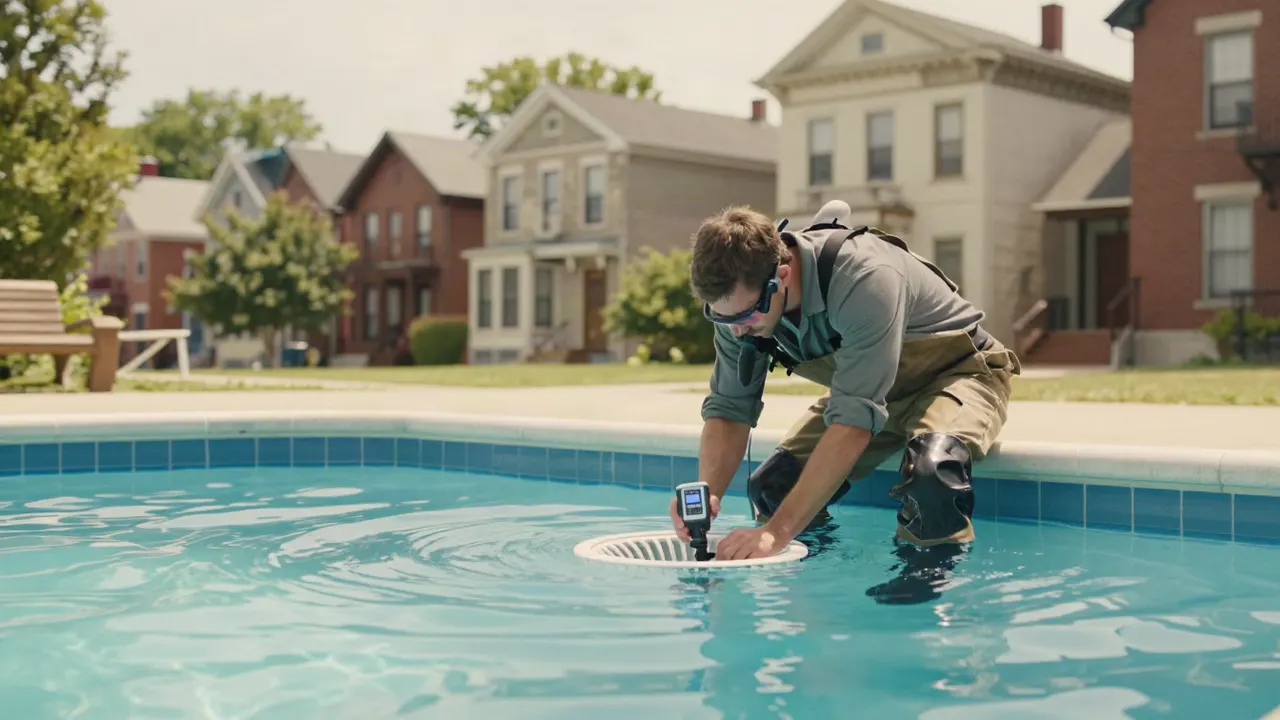
Reach us any hour at (412) 939-1638. We answer live, ask a few questions about what you are seeing, and book a window that works. Most Pittsburgh addresses get a same-day slot, and active leaks get priority dispatch.